Newsletter Restoring Biodiversity - 11/3/2026 From desert soils and solar siting to quail habitat, water law, and the economics of working lands, this week’s stories ask a harder question: what keeps landscapes functioning over time?
Newsletter Restoring Biodiversity - 10/27/2026 This week’s edition asks a deceptively simple question: are we managing labels, or are we managing land, water, fuel, habitat, and risk where they actually exist
Newsletter Restoring Biodiversity - 10/20/2026 This week’s edition asks a practical question with wide consequences: how should land, wildlife, fire, and conservation programs be judged when labels and intentions are easier to measure than results
Restoring Biodiversity - 10/13/2026 This week’s edition asks a practical conservation question in many forms: what actually restores ecological function on the ground—and how should we know when a favored idea is working?
Wildlife & Biodiversity An Unlikely Friendship? A Wild Horse Meets a Squirrel An unexpected encounter between a wild horse and a squirrel offers a charming glimpse of curiosity and play in the natural world.
Wild Horse Fire Brigade American Wild Horses: Fifty-Five Years Of Removals, Gelding, And Pesticide Contraception Have Cut Genetic Flow In BLM Wild-Horse Herds After 55 years of federal wild-horse management, what has happened to the genetic diversity of America's free-roaming herds? William E. Simpson II examines the evidence.
Newsletter Restoring Biodiversity — 10/6/2026 Excerpt: Wild pollinators need more than hives. Bats need more than caves. Bison can reshape spring itself—and wildlife recovery depends on seeing the whole landscape.
Newsletter Restoring Biodiversity — 9/29/2026 Beavers as watershed engineers, grazing judged by results, wild horses as a wildfire tool—and why successful wildlife recovery creates a new management challenge.
Archaeology Researchers Reconstruct Face of Oldest Known Homo Sapiens Researchers used a 315,000-year-old composite skull from Morocco to reconstruct the face of one of the earliest known members of our species.
Newsletter Restoring Biodiversity - 9/22/2026 What prairie roots reveal, whether salmon farming can leave the ocean, the debate over wildlife killing contests—and why good stewardship sometimes means stepping in.
bobcats Wildlife Killing Contests: The Hidden World of Killing Animals for Prizes A documentary trailer takes viewers inside the little-known world of wildlife killing contests, where coyotes, bobcats and other animals are killed in competitions for prizes.
Fisheries Can We Raise Salmon Without Harming the Ocean? Most farmed salmon are raised in ocean pens that can spread pollution, disease and parasites into surrounding waters. A new generation of land-based farms offers a radically different approach.
Desert Grasslands Prairie Grass vs. Cropland: What Happens Beneath the Soil Tells the Story A remarkable side-by-side look beneath prairie grass and agricultural cropland reveals just how much of a healthy grassland ecosystem exists where we can't see it.
Newsletter Restoring Biodiversity — 9/15/2026 A 37,000-year-old challenge to North American history, plants that may be communicating under stress, and an ancient species holding clues to Earth’s past.
Mammoths Human Occupation of the North American Colorado Plateau ∼37,000 Years Ago A controversial new study argues that humans may have occupied North America nearly 37,000 years ago—more than twice as early as the traditional timeline.
Articles Sounds Emitted by Plants Under Stress Are Airborne and Informative Scientists have discovered that stressed plants emit ultrasonic sounds that reveal when they're thirsty or injured. The findings could transform agriculture by enabling farmers to detect crop stress earlier while deepening our understanding of how plants interact with the world around them.
Forestries Peculiar Plant Could Help Us Reconstruct Ancient Earth’s Climate Ancient horsetail plants are helping scientists unlock Earth's distant climate history. Their extraordinary ability to concentrate water isotopes offers a new window into prehistoric humidity, water cycles, and ecosystems dating back hundreds of millions of years.
Newsletter Restoring Biodiversity - 9/8/2026 Invasive species overwhelm islands. Water law locks scarce resources into old patterns. And forests deprived of fire begin losing the very biodiversity we thought we were protecting.
Biodiversity The Biodiversity Crisis It’s not just trees and animals that suffer when flames vanish. Eighty percent of a forest’s diversity is in its understory.
Colorado River 40 Million Americans Are Losing Their Water Supply to—Hay We can’t control the amount of precipitation that falls within the Colorado River watershed, but we can control how we use the water that’s available.
Invasive Species ‘Crabs Everywhere’: Off Canada’s Pacific Coast, Indigenous Haida Fight a Host of Invasive Species Haida Gwaii's extraordinary biodiversity is under siege. Indigenous leaders and conservationists are racing to restore ecological balance before these unique island ecosystems are changed forever.
Newsletter Restoring Biodiversity - 8/25/2026 From tiny wasps protecting Texas forests to elk and grizzlies moving across millions of acres of wilderness, this week's Restoring Biodiversity explores conservation at every scale.
Invasive Species Emerald Ash Borers Are Decimating Texas Trees. Wasps Might Help Defeat Them. The emerald ash borer is steadily expanding across Texas, placing millions of native ash trees at risk. Scientists are testing an unexpected ally—tiny parasitoid wasps—to help control the invasive beetle.
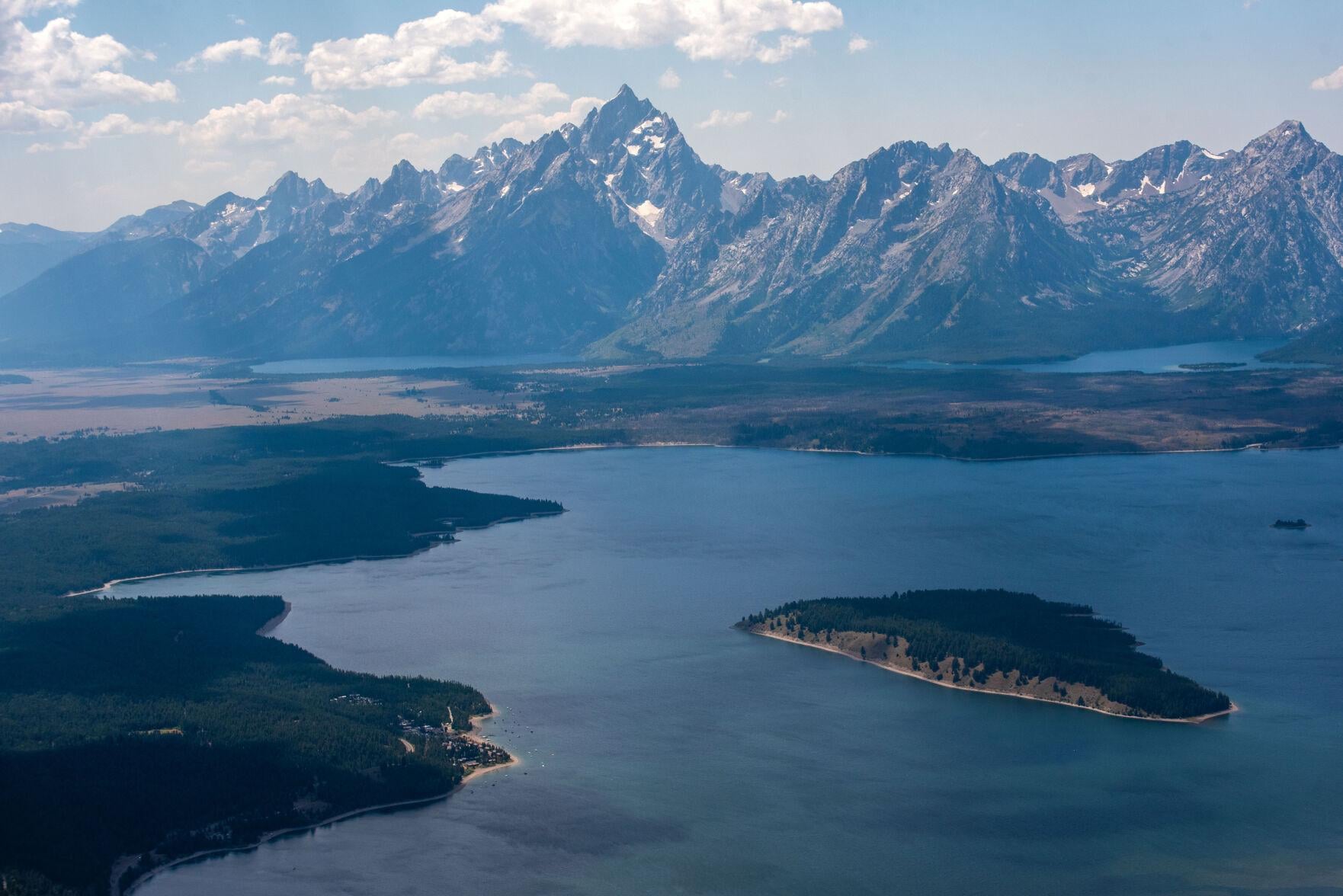
Snake River Plain Wyoming's Snake River Can't Quench Idaho's Thirst No matter how much snow or rain falls each year, demand exceeds supply.
Conservation Pitchstone Waters, by Shawn Vickers Shawn Vickers does mapping and wildlife planning for many ranches and public lands in North America, East Africa and the British Isles. He filmed, edited and wrote the music for this little video.